Roof Inspection
A hands-on roof and attic check with labeled photos, an honest remaining life estimate and a written price for any repair needed.
How we handle itInspections & care
When a buyer, lender or insurer asks about the roof during a sale, a dated condition letter answers the question. We inspect the roof, estimate its remaining life in writing and fit the work around your closing date.
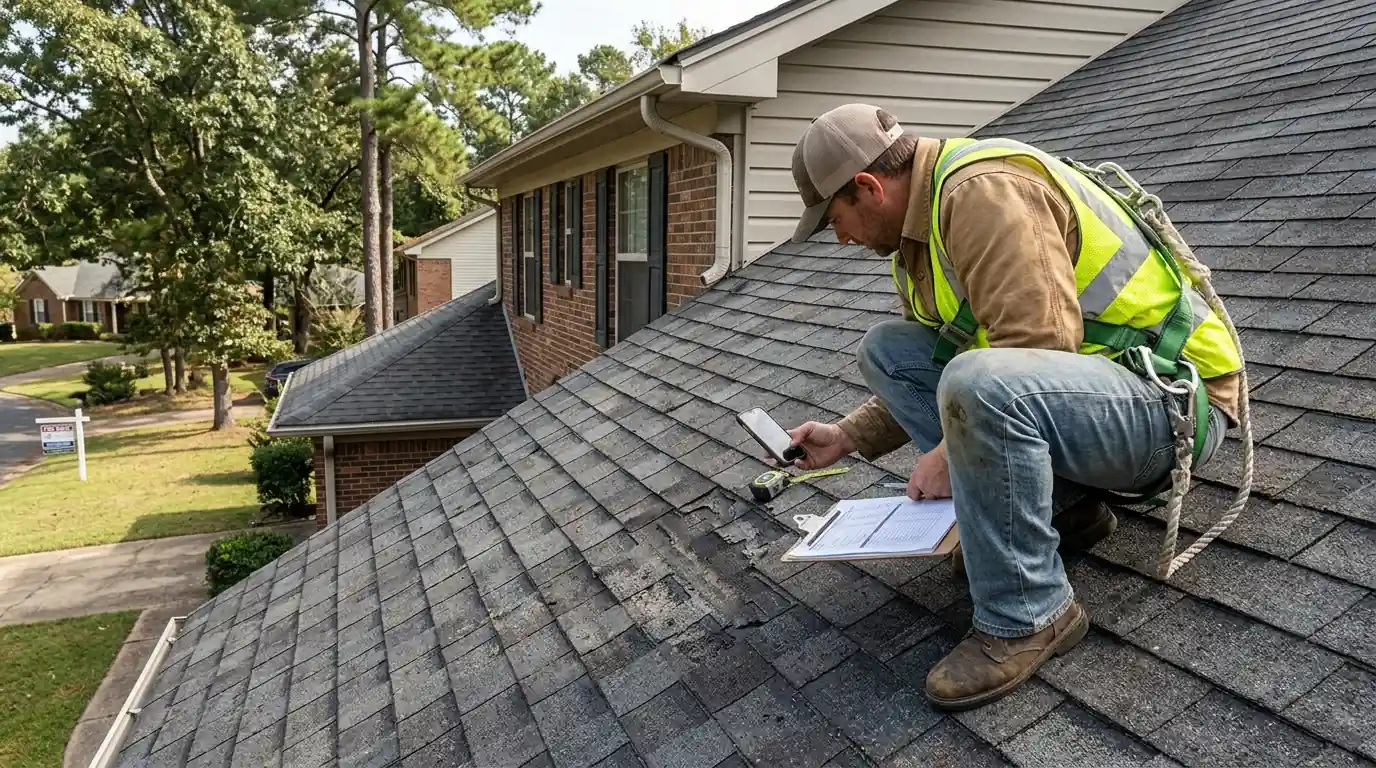
A real estate roof certification is a dated letter from a roofer stating the roof's condition and estimated remaining life on the day of inspection. In Little Rock, the inspection and letter typically cost $185 to $395. Most are done within a few business days, with the letter one to two days later. It is a professional opinion, not a government document or a warranty.
A roof certification, sometimes called a roof condition letter, is our written opinion of the roof on a specific date. It names the property, the roof type, the approximate age when it can be determined, the condition of each major part and how many years of service we estimate are left.
It is not a government certificate, and no state or city office issues one for roofs. It is also not a warranty or a promise that the roof will not leak. Weather, a falling limb or poor upkeep after the date can change things, and the letter says so plainly.
What it does give everyone at the table is a clear, independent picture from someone who works on roofs every day, with photos to back it up.
Requests usually come from one of four directions. Buyers want to know whether a roof replacement is coming in the next few years. Sellers want to answer roof questions before an offer instead of during a tense option period.
Lenders on some loan types want to see that the roof has remaining life before they fund. Homeowners insurance companies may ask for the roof's age and condition before writing a new policy on an older roof.
Each audience cares about something slightly different, so tell us who the letter is for. We keep the facts the same but make sure the details they look for are easy to find.
Agents sometimes ask for the letter on behalf of a client. That works fine, and we can send copies to the agent and the homeowner at the same time so nobody waits on a forward.
The visit focuses on the questions a sale raises: how old is it, how much life is left and is anything active right now. We walk every accessible slope and check shingles or panels, flashing at walls and chimneys, valleys, pipe boots, vents and the drip edge.
Inside, we look at the attic for stains, damp decking, daylight and ventilation problems that shorten shingle life. We note signs of past repairs and how well they were done, and whether there appear to be two layers of roofing, which matters to buyers and some insurers.
Every finding gets a photo. The letter lists them by location so a buyer's agent or underwriter can match each note to a picture.
Gutters, soffit and fascia get a brief note as well, since rotted fascia or gutters pulling loose often come up in a buyer's inspection. We keep those notes short so the roof itself stays the focus of the letter.
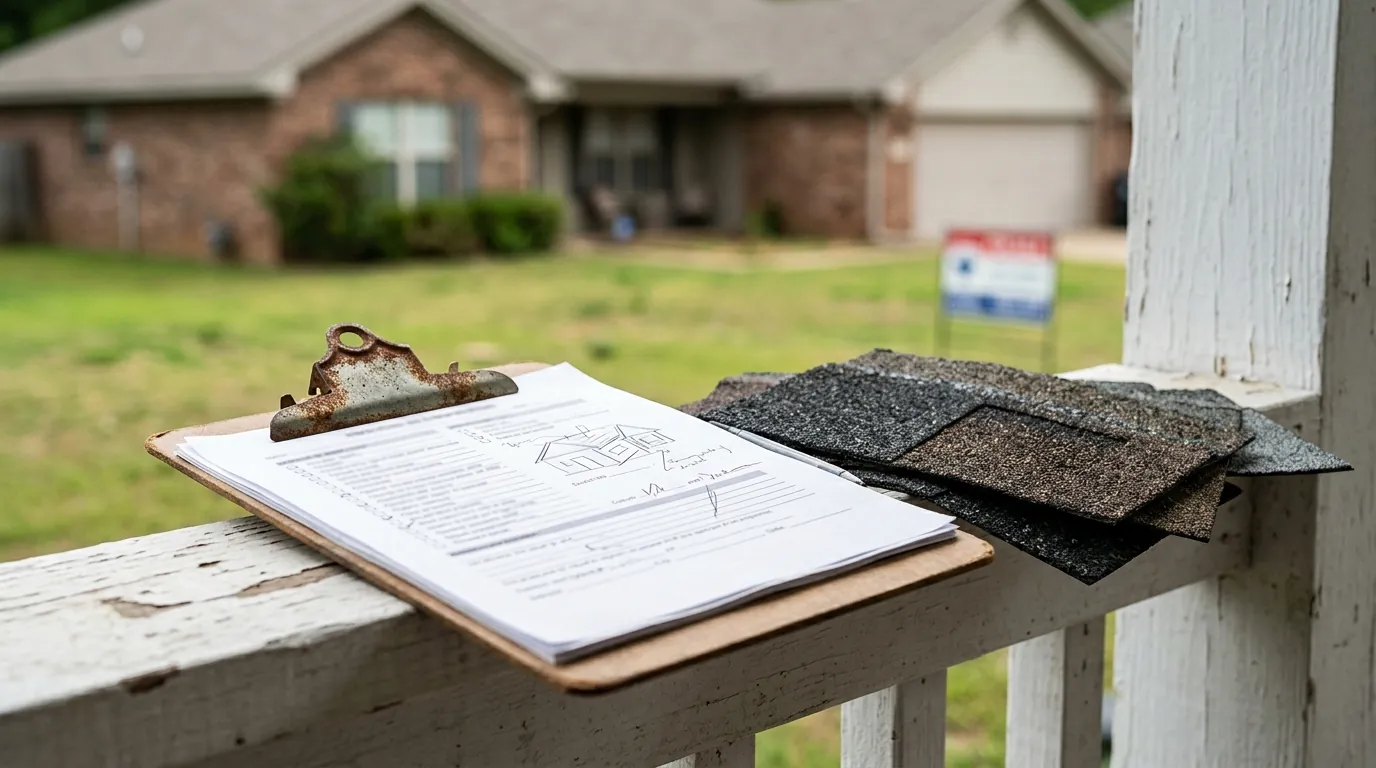
Remaining life is an estimate, not a countdown, and we explain how we reach it. Hot, humid summers here dry out asphalt shingles faster than in cooler parts of the country, so granule loss and brittle tabs on south and west slopes weigh heavily in our number.
Spring hail season matters too. A roof that came through several hail years with only light bruising is in different shape than one with soft spots, and we say which we see.
We give the estimate as a range, such as 6 to 9 years, rather than a single figure. A range is more honest, and it gives buyers and sellers a fair basis for negotiation.
Attic conditions also feed the number. A hot, poorly vented attic bakes shingles from below, and we lower the estimate when we see that, even if the surface still looks decent from the street.
Sometimes the inspection turns up something that needs fixing first, like a lifted ridge cap, a cracked pipe boot or a small active leak. In that case, we write the issue and a written repair price, and the letter is issued once the repair is done and photographed.
Who pays is between the buyer and seller, and we stay out of that discussion. Our job is to describe the problem clearly and fix it on the agreed scope.
If the roof is near the end of its life, we say so. A letter that stretches the truth does not help anyone, and lenders and insurers often check.
Home sales run on deadlines, so tell us the option period end date and closing date when you call. We aim to get on the roof within a few business days and send the letter one to two days after the visit.
Rain and storms can push a roof visit back, so build in a little room when you can. If repairs are needed, we schedule them quickly so the updated letter lands before closing.
The letter is dated, and many lenders and insurers prefer one that is recent. If closing slips by several weeks, ask us about a short recheck and an updated date.
Pricing depends on roof size, access and how fast you need the letter. These are typical 2026 Little Rock ranges.
| Job | Typical range | What drives it |
|---|---|---|
| Inspection and roof condition letter | $185 to $395 | Roof size, pitch and attic access |
| Rush letter for a tight closing | $265 to $485 | How soon the visit and letter are needed |
| Recheck and updated letter date | $95 to $185 | Time since the first inspection |
| Minor pre-closing repairs | $275 to $1,160 | Pipe boots, ridge cap, flashing or shingles |
| Detached garage or second roof added | $65 to $145 | Size and roof type of the extra building |
Steep or very large roofs, multiple buildings and repairs found during the visit change the final price. See the full roof pricing guide.
How the job goes
Call with the address, who needs the letter and your option and closing dates.
We inspect every accessible slope and the attic, photographing each finding.
If something must be fixed first, you get a written price and we complete it on the agreed scope.
We issue the letter with condition notes, estimated remaining life and labeled photos.
No. A roof certification is a dated professional opinion of the roof's condition and estimated remaining life on the day we inspect it. It does not promise the roof will not leak later, and it is not issued by any government office. Manufacturer warranty terms on shingles depend on the product and its registration, which is a separate matter.
It depends on what we find. We give a range based on age, granule loss, flashing condition, attic ventilation and storm wear, such as 4 to 7 years or 10 to 14 years. Roofs in central Arkansas age faster on sunny south and west slopes, and the letter notes which slopes set the estimate.
Usually, yes. Give us the option period end date when you call, and we aim to inspect within a few business days and send the letter one to two days later. A rush visit costs a little more. Rain can delay a roof walk, so calling early in the option period gives everyone the most room.
There is no pass or fail grade. If we find problems, we describe them with photos and give a written repair price. Once the repairs are done, we issue the letter showing the finished work. If the roof is near the end of its life, the letter says that honestly, and the buyer and seller decide how to handle it.
Many insurers ask for roof age and condition on older homes, and a dated letter with photos is a common way to answer. Each company sets its own rules, so ask your agent what format they want. We can include the address, inspection date, roof type and estimated age so the underwriter finds what they need quickly.
Related work
A hands-on roof and attic check with labeled photos, an honest remaining life estimate and a written price for any repair needed.
How we handle itTargeted fixes for worn shingles, failed flashing, cracked pipe boots and soft spots, priced in writing before our crew touches the roof.
How we handle itA complete tear-off to the deck with new underlayment, flashing, vents and shingles, finished in a day or two on most homes.
How we handle itA yearly or twice-yearly tune-up that clears debris, reseals weak spots and fixes small problems before they turn into ceiling stains.
How we handle itTalk to a roofer nowCall and describe what you are seeing. We answer around the clock.
Call (501) 387-1152